Saturday, March 22, 2008

Inspirational Quotes About Latinos

On Shikoku

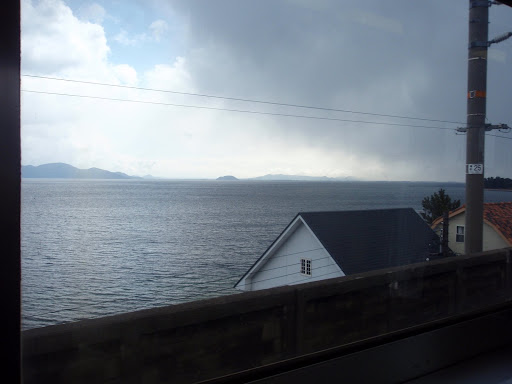
But before we begin, a photo of Lake Biwa, the largest lake in Japan, I have happened during a train ride.


Well then.
On the advice of a friend (David in the summer, and because it is simply a part), I have a day trip on the island of Shikoku (-> Kanji) made some time ago. Literally, the name 4 countries since they were divided into 4 provinces, from which emerged the present-day prefectures. I am by bus from Kobe out, via Awaji, a small island between Honshu and Shikoku, where previously deposed emperors were exiled down in the eastern prefecture of Tokushima and the same prefecture capital, where I ate too wonderful sushi lunch. Shikoku is a very good tip for his fish was also striking because everywhere along the coast are put in the fish nets. In between, I made a short stop on the bridge of Awaji to Shikoku, as it there a particularly nice view of the inner sea is. Also is a popular place for tourists, are as below the bridge huge whirlpool. As this happens only at high tide and low tide, I have unfortunately not seen, but only saw the swirls on posters, but they seem to be impressive. Then I'm gone
take the train in the Kagawa Prefecture, and got off somewhere middle of the country in a small town. You learn there a side of Japan know that is so different than we are used to on TV and the big cities, and get the foreigners thus rarely seen. Particularly it is realized also in the reactions of residents to the presence of a Gaijin, man ist es ja gewohnt, daß die Leute einen ab und zu anstarren, aber es ist eben eine ganz neue Ebene.
Kinder die gerade noch plappern, brechen beim Anblick mitten im Satz ab, alte Menschen, deren Blick aussieht, als würden sie sich fragen, ob die Amerikaner nun doch noch eine Invasion durchführen, und das Schulmädchen, das aufgeregt ihren Freundinnen oder Eltern erzählt, daß sie auf dem Heimweg von einem Gaijin angesprochen und auf japanisch(!) nach dem Weg zum Bahnhof gefragt wurde (okay, daß sie das getan hat, ist nur eine gewagte Vermutung von mir, aber durchaus eine realistische Annahme).

Das Ganze erzeugt aber keineswegs negative Gefühle, da die Japaner es nicht böse hostile or mean, but are only really just surprised. Since I'm from the country, I can understand them, because I would be surprised if I run in my home village, a Japanese on the way and ask me for directions in German to the bus stop would. Otherwise, it was

really beautiful, and I could certainly imagine to live there: there is a local specialty, a variant of Kagawa Udon (name I have now unfortunately forgotten), it is very quiet and cozy, and on the one hand one has the sea, which is very warm in summer and always provides good fish while on the other hand, some forested hills for hiking invite directly. In addition, Osaka is not excessively time really seen farther than Vienna, from my home in Austria.
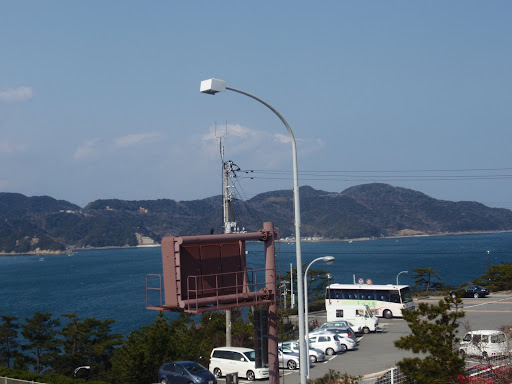
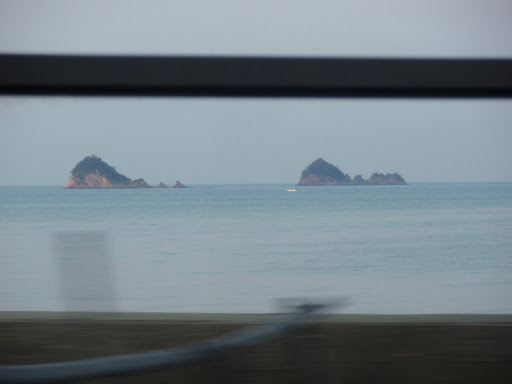
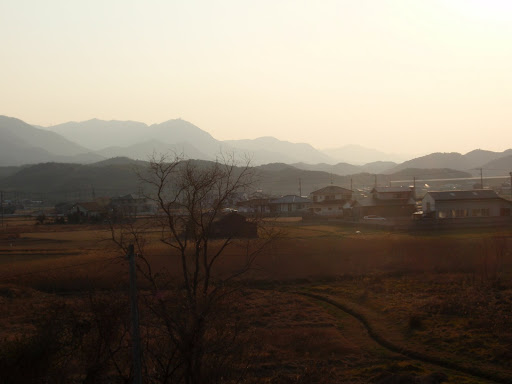


Two particularly notable things struck me: I have identified for the first time station buildings that look like us (the country) and the whole time in Kagawa whether out of the train, or in the city I have not a single Conbini (the 24-hour "Kreisler") seen, while supermarkets and shops and everything, but no Conbini. I was only a few hours there, but everywhere else it all falls over a few meters, but there? Not one. Therefore, Kagawa Prefecture for me now without Conbinis.


interesting (and funny) facts / opinions about Japan:

Shikoku is the smallest of the four main islands of Japan (Honshu, Hokkaido, Kyushu) and is also considered the least well developed. Accordingly, most of the resident on the island of companies in the primary and secondary sectors are active, although the majority of the population commutes to the main island. About 20 years ago opened the first of now three connecting bridges to Honshu, to stop the traffic point of isolation of the island and to promote economic development. Although the link to the rest of Japan was strongly improved, the expected development boom failed, and it is only comparatively slowly. So there are no misunderstandings, "underdeveloped" is in Japan are still high level, you realize just simply quite clear that you are on land, as if one of Vienna used to and would then go somewhere "to land" in Lower Austria, Styria and Burgenland what the author for his part, often preferred. Intereassant is that in Shikoku, as one of the few areas of Japan, were adopted with the introduction of the prefecture system during the Meiji Restoration, the boundaries of the old provinces almost 1:1.

Wednesday, March 19, 2008

Milena Velba Ps3 Theme

over the sky bridge

It now longer, no new posts have been because I spent almost a week on Okinawa and the Ryukyu Archipelago (more on that later) and also had something else on the road.

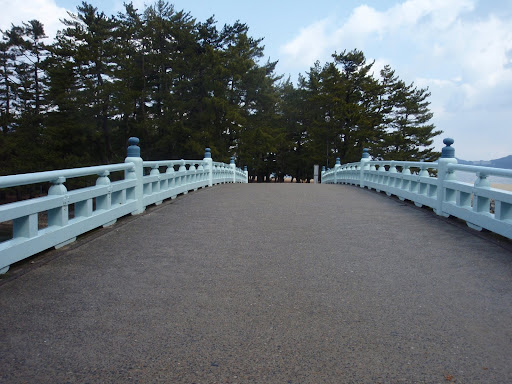
Some time ago I was with Svenja and her friend Sara, who is visiting for a few weeks, a fine location on Amano-hashidate (天桥 立), the translation is just sky bridge. The sky bridge is a natural (almost continuous) curved land connection between two sides of the bay and is one of the official three most beautiful views of Japan.
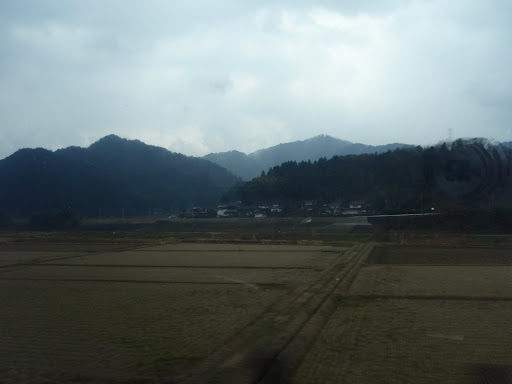
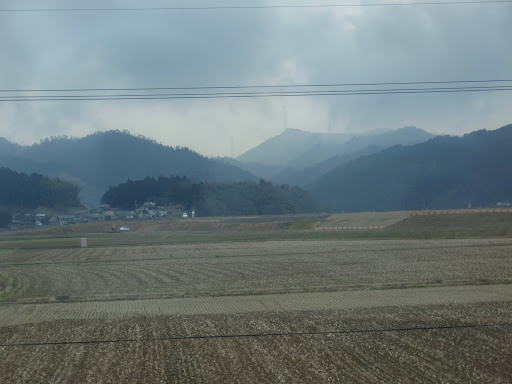
It is located almost opposite of Kobe on the north coast of Honshu and is easily reached by train. During the ride you get to see the country (country, unlike the city), and I can prove by means of pictures, what many people do not often think: Japan has many almost deserted urban areas and is in no way consistently. If you take the train (in the first Shinkansen line) goes, one can observe the very good: Huge urban areas, then nothing, just woods, in between a couple of villages and fields, then huge urban Moloch, and so on.
Because of the geography and the terrain (hilly) live most of the nearly 127 million people in some large metropolitan areas of Japan and several large cities, while in between the country over long distances seems almost deserted.


Back to the bridge. We were a little unlucky with the weather at the start the sun came through though, but then it was cloudy and it started to drizzle, so the natural beauty is unfortunately hardly come to bear.

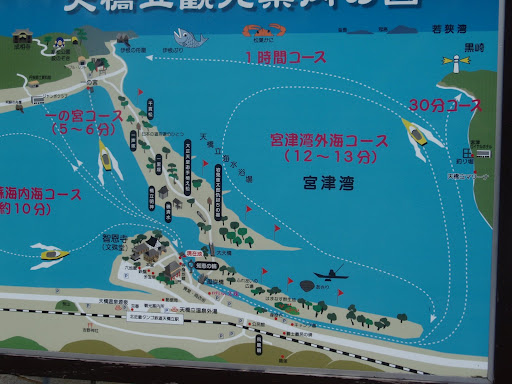
Here again is a schematic representation of the peninsula


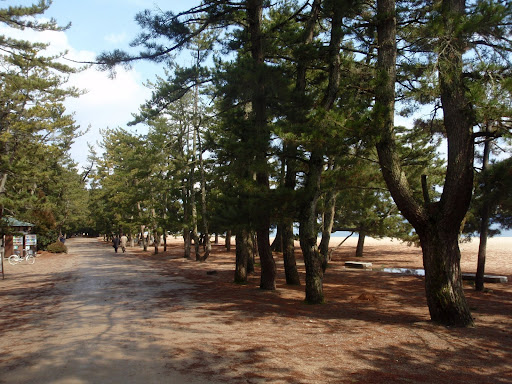
The Point is mainly covered with pine trees (= pine) covered and in particular has the open side of the Japanese sea off to a beautiful beach, which in summer attracts masses of tourists. Although the bridge eine Riesentouristenattraktion ist (vor allem für Japaner), ist der Weg für die Bewohner der Stadt, die anders heißt, ein ganz normaler Pendlerweg auf dem die z.B. die Schüler täglich unterwegs sind. Natürlich ist zwecks der Erhaltung der Natur das Befahren durch Autos verboten, und auch durch Sperren unmöglich (ausgenommen Fahrzeuge der Pflegetrupps).

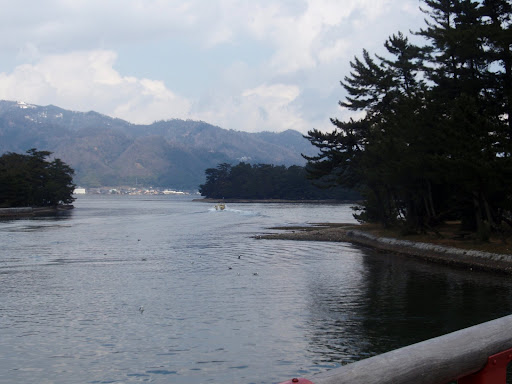
Ein paar Eindrücke des Übergangs (auf den Bergen in der Nähe lag übrigens noch Schnee)


Die Reisenden


Angeblich hat man den best view, if you look at a few kilometers away, on a hilltop place, I believe in a park goes, there is with his back to the bridge on a bank and then prevents and considered the bridge between his legs. By then the water, etc. to act as the bridge would actually float between skies and earth. Since we have not known in advance, it not a beautiful day and the park even further away, I can not confirm, unfortunately.

There is also a famous ukiyo-e like this picture. Incidentally, I've read in my short, and now know that the technical term for a phenomenon such as Amano Hashidate, Nehrung ist.


Interessante (und lustige) Fakten/Meinungen über Japan:

Zu den drei schönsten Aussichten Japans gehören neben Amano-Hashidate die 249 Föhreninseln von Matsushima und die heilige Insel Miyajima mit dem berühmten im Wasser stehenden Torii (normal japanisches "Tor" zu einem Shinto-schrein), nahe Hiroshima. Die Aufstellung dieser drei Aussichten geht zurück auf den Autor Hayashi Razan, der sie im Jahr 1643 geschrieben haben soll, womit es keine moderne Auflistung ist und eine lange Tradition hat. Wie in einem anderen Bericht bereits erwähnt, gibt es noch viele andere Listen für die drei schönsten Gärten, die drei schönsten/ältesten Onsen etc., but the three most beautiful views are still the most important collection. Accordingly, many Japanese are trying to have these three admired at least once in their life in kind.

Thursday, March 6, 2008

2010 Commercial Sayings

In White beach

White beach is the translation of Shirahama (白 浜), the village where I spent last week 2 days.


But first: I am only today noticed that Blogger "swallowed" in yesterday's entry was the last paragraph, which does not surprise me, because yesterday the Google applications (Mail, Blogger, Picasa) all have had problems with me. Excuse me, it is repaired, and the column from the last entry now to read.

Let's go ahead.


A warning first: Today, again involved a lot of photos.
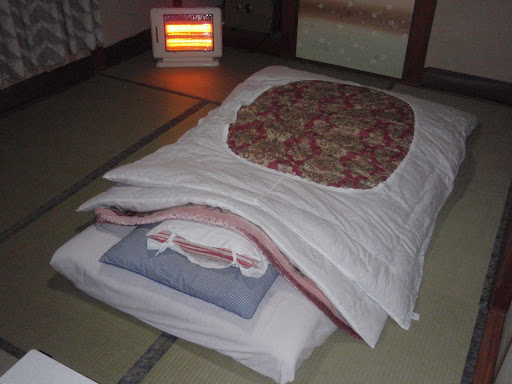
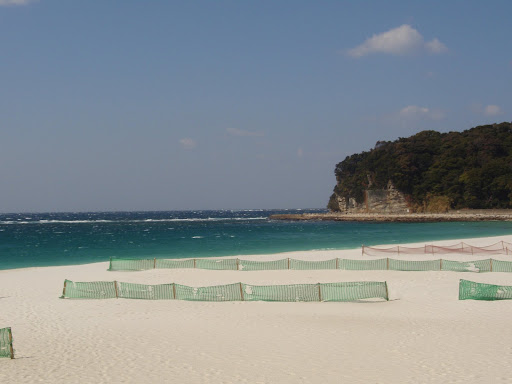
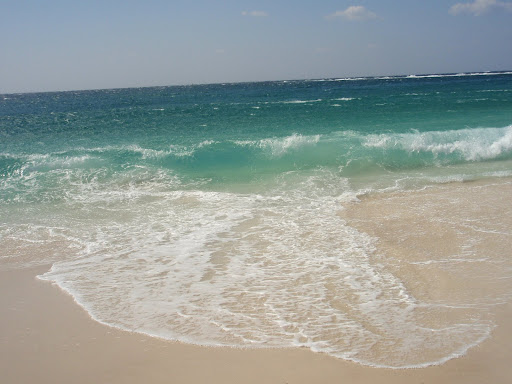
Shirahama Wakayama Prefecture is located in the south of the Kansai region, southeast of Osaka Bay and I was almost at the southern tip of the main island of Honshu. Shirahama is also a very popular destination for Japanese, mainly because of the namesgebendem white sandy beach, so (the time in the Japanese go swimming in the sea) the place from late July to late August, tourists can hardly save. I have stayed in a ryokan, complete with a small garden and koi, which was run by a nice old couple. By evening I have not seen a single other foreigner in town, then erst sind ins Ryokan zwei Italienerinnen und ein Amerikaner gekommen. Wir waren die einzigen Gäste und ich würde mal wagen zu behaupten, die einzigen Ausländer weit und breit.

Ein Photo eines aufgelegten Futons, sowie des Ehepaars (der Großvater sprach auch wirklich gutes Englisch) und meiner "Mitbewohner".


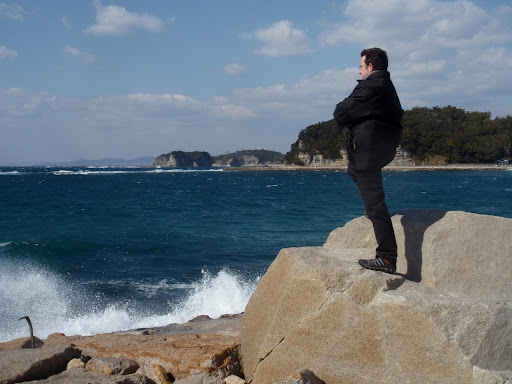
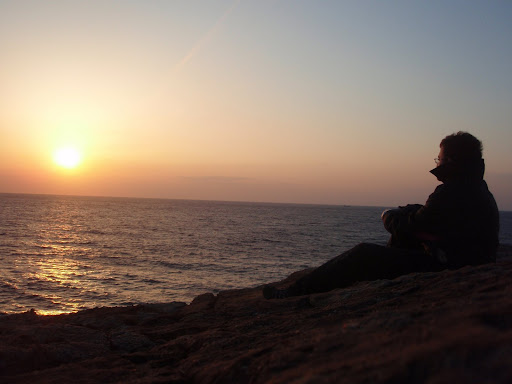
Hier ein paar Eindrücke des Strandes, und des Daimyos während er sinnierend auf das Meer starrt ...


Lustiges Detail: Der weiße Sand wurde eigentlich schon vor langer Zeit fast aller weggeschwemmt, weswegen die Japaner weißen Sand aus Australien importiert haben. Warum Australien? Weil der Sand von dort genau wie der originale aussieht.

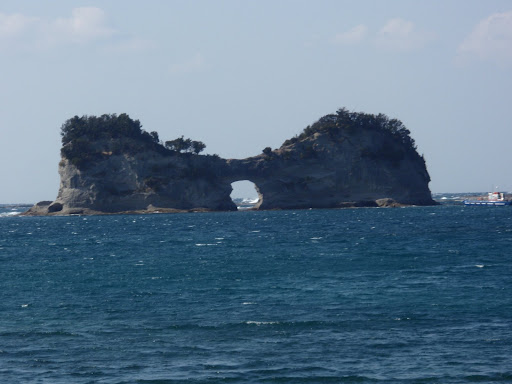
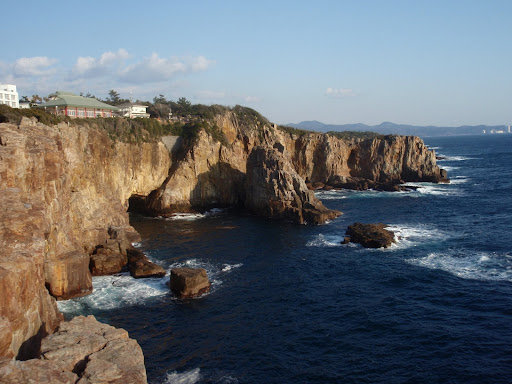
Andere berühmte Plätze sind die Vollmondinsel (engetsutou 円月島), so genannt wegen des kreisrunden Lochs in der Mitte.


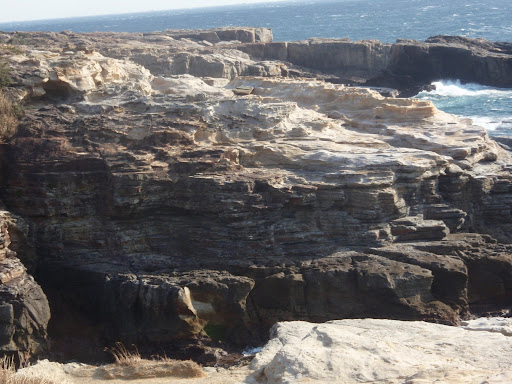
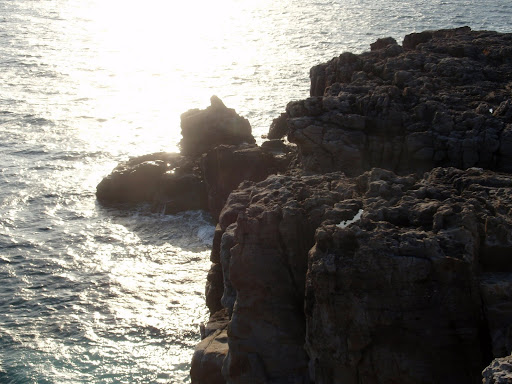
Die Klippe der Tatami-matten, weil es so aussieht als wären unzählige Tatami-Matte übereinander gelegt (allerdings befürchte ich, man muß schon mal in Japan gewesen sein, um das zu erkennen).


Die Drei-Stufen-Wand/Klippe, Sandanpeki. Runs quite long meaning Magnificent view, especially at night and you can climb a little.


Sakino-yu Onsen. An open-air onsen in the water of a natural stone basin, and directly to the sea. And with the sea, I think that one big waves, sea water can splash in the face. In summer (late February, it's too cold) you can directly get the few yards from the sea and cool down there in the water. But watch out, men! The Spechtler of the women's side only too happy to see a naked male gaijin to it.
use fee of Onsen: 1,80 €
I have no photo, I used the image from Wikipedia, but in reality it is beautiful, especially in sun.


Photo owned by Attila BUJDOSÓ


Shirahama As an onsen resort, there are also all over the city very much foot baths. They are filled with small pools with thermal water, in which each can hold times short his aching feet, of course, free.

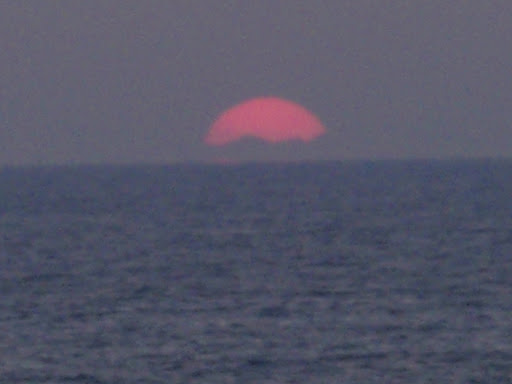
What struck me at sunset, is not the sun sinks into the sea, but short of about 100 km away, Shikoku.


My overall impression of Shirahama is summarized beautifully in this photo.


interesting (and funny) facts / opinions about Japan: The

Sagino-yu Onsen is one of the top three hot springs in Japan (actually twice: the three large and three old) and is famous mainly because of his age. Shirahama and Onsen allegedly already in one of the oldest surviving Japanese text was mentioned, and he would therefore be in use for about 1300 years. Also, the city boasted that alleged several large, famous emperor, some as early as the Heian period (781-1198), have a bath here. The water that is used in the Onsen is in the upper basin so hot that the pool today with a simple garden hose, cold water is added, as you might otherwise be scalded.
But who can stand it, can sit directly under the hot inflow.

Wednesday, March 5, 2008

Non Expensave Projector

This and That

There was now no longer new entry, but the reason for this is clear in the next reports.

How normal conversations, we start by talking about the weather.
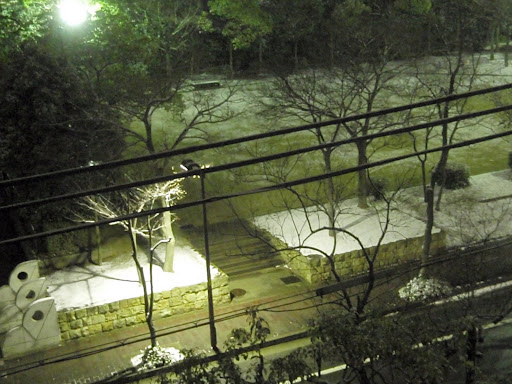
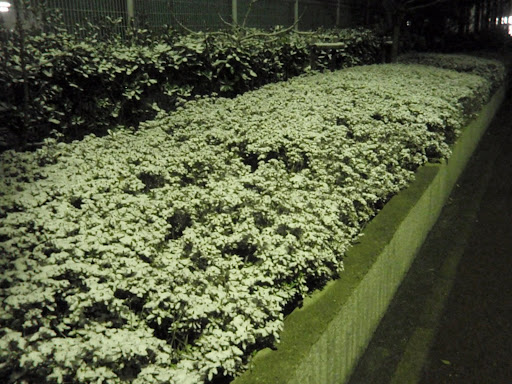
is the moment, the crazy in Kobe, April weather describes it best. An example: Last week is gone in a day in the morning a strong wind, there were already big as a light storm. During the day, he then stopped and it was very hot, up to 10-12 degrees in the shade, proper spring just as it cooled down at night and has begun to snowing, and indeed so strong that even several inches of snow on the trees, etc. were and the snow in the morning was still there.
power the way a beautiful picture: Several inches of snow on green leafy trees and shrubs.


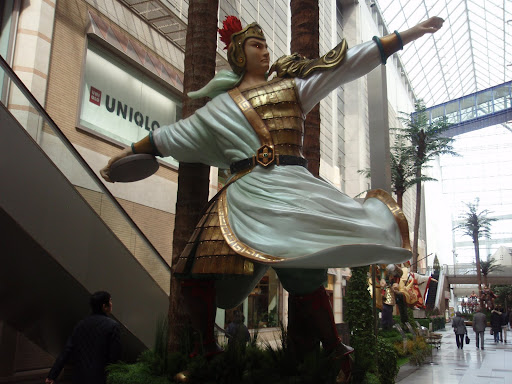
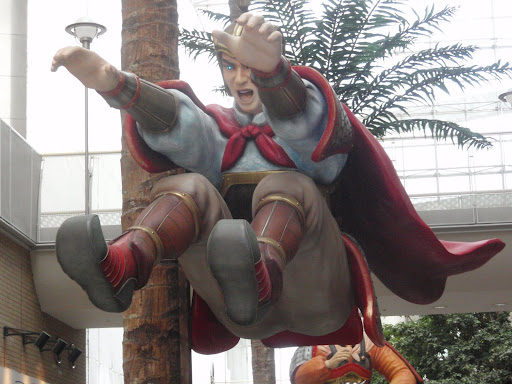
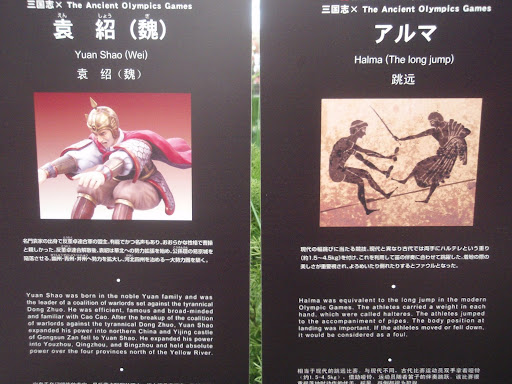
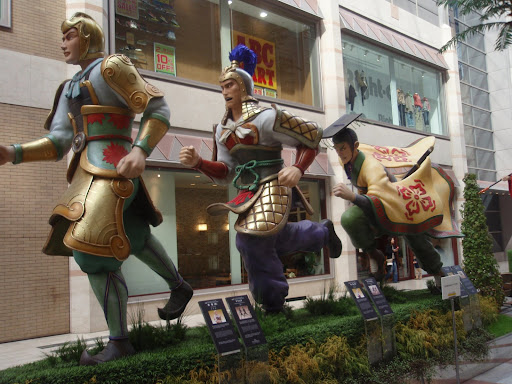
in Harbor Country, the companies have come up with a nice idea for the Olympic Games in Beijing (Peking). They have life-size Figures drawn up the middle in the execution of the traditional Olympic disciplines, but the figures represent famous people from the time of the Three Kingdoms in China (about 3.Jahrh retired.) Dar. So after the motto: What looked like it would if The Chinese had invented the Olympics? (And how they called it ...) complete the picture by statements about the new sports and personalities.


When riding the train I'm also a commercial for Lehar Fanz Operetta "The Merry Widow seen," is that I was surprised to say the least. Sorry, no photo of it ... I

Funny anecdote: The two Germans and one evening I was in town for dinner, and as we walked through the streets, we were approached by a Korean, though we did not know a good club in the area. Imagine: you are in a foreign city, want to ask for directions, and speaks with intent to exactly the people who come as quite obvious not only from the city, not even from the country! And yet it is understandable since it was Koreans and we were raised in English, because apparently was not one of the Japanese group and they have appealed to those who are most likely to speak English.


The following paragraph is once again only for players ("gamers"), the other readers can immediately move on to the column.

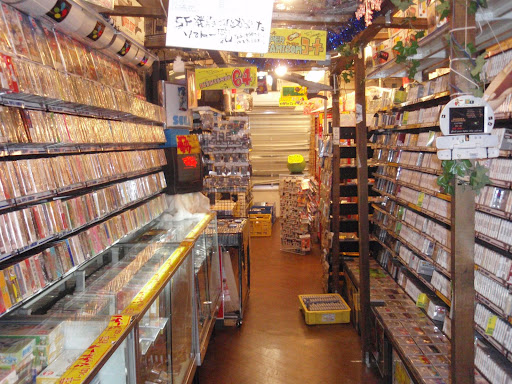
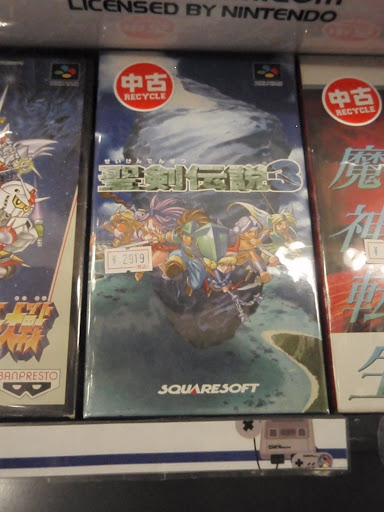
In Osaka I recently Nipponbashi, including Den Den Town (Electric Electric City ") visited. What Akihabara for Tokyo, Osaka's Den Den for: a haven for otaku, players and all the technology and electronics lovers. Let me stress I put my stop in two retro-shops in which are computer games, books, etc. from ancient times to sale, are available with us Pratical impossible. There was almost everything from Playstation, Dreamcast, Neo Geo, Super Nintendo, Nintendo, Master System and so on, and even old games from the arcade during the 80s, and all used but in original and excellent condition!


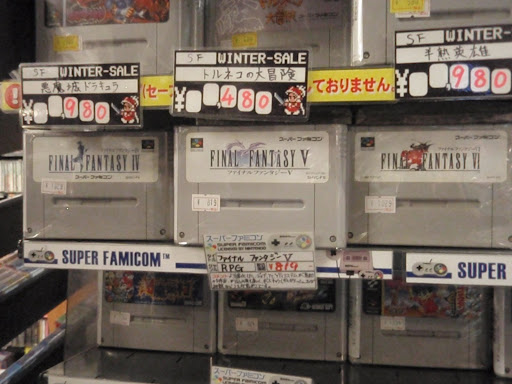
Here is a photo of one of the SNES Departments:


SNES Final Fantasy Parade


Seiken Densetsu 3 (Secret of Mana 2, never appeared outside Japan)

(!)


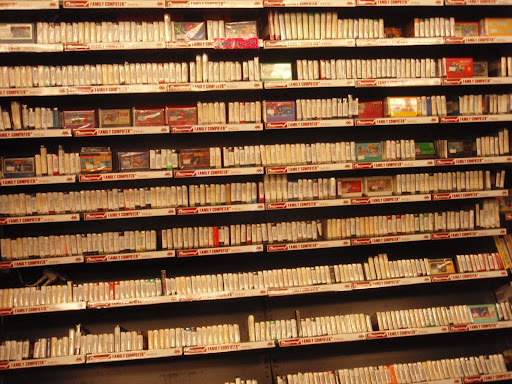
And a small excerpt from the NES (Japan Famicon - Family Computer) game department


disadvantage: All games of course Japanese only
advantage: You can find rare gems and everything really dirt cheap!
Seriously, the games achieved in English or German at E-bay for up to several hundred euros, here are a few euros, for example: Dreamcast Grandia 2: 1,80 € Shenmue: 8 €


interesting (and funny ) facts / opinions about Japan:

Another round of reader questions:

what Japanese do in their (scarce) spare time?
difficult to answer, I will consider here the sports clubs of pupils and students, a common going to drink after work the business NOT as free time. Then they actually do this, what make Europeans meet primarily with friends, go shopping and play computer games. And the seasons they go with the traditional festivals, such as: fireworks in the summer.

Are things really any more expensive in Japan a lot?
No, it's just divided differently. Luxury goods and even food are much cheaper than at home, these are things of daily life, especially if you have a family, a lot more expensive. The author lives personally cheaper in Japan than at home because he has no family and he does not need many of these things, and as the euro at the moment is very strong. The
Klisch of Japan's overly expensive is because there is almost only Tokyo (on television etc.) to view them in capitals and especially in inner cities, life is always more expensive. Japan also has a 5% tax

Matching: What is it with the price of garment (clothing, note) in Japan?
robe is unfortunately on average more expensive, you can grab some bargains on fashionable things (if you can find its size), but beware: if you not take away, we can get you a heart attack when you look at the price tag. Shoes are special, on sale, often a lot cheaper. Speaking of selling out: There are year-round things on offer, they are not so much dependent on-sale.

Tuesday, March 4, 2008

Big Teddy Bear Masterbaition

Animation

Railway waiting room, street advertising sign with!


Bulk Silver Jewelry Blanks

disguise window!

The lattice window is insulated with rock wool and then covered with plasterboard.


Dogs That Have Herpes

installation of windows, timber windows and doors are

The windows are fitted into the timber!